博客

  • How to Tell if a Headphone Supplier Is a Manufacturer or a Trading Company?

    How to Tell if a Headphone Supplier Is a Manufacturer or a Trading Company?

    Identifying if a headphone supplier is a manufacturer or a trading company (ID#1)

    Every year, our production team in Dongguan sees buyers burned by suppliers who claimed to run their own headphone factory but were actually middlemen reselling generic stock Chinese Unified Social Credit Code 1. The frustration is real. You negotiate pricing, send specs for a custom ANC headset, wait months — only to receive units that don’t match your requirements, with no clear path to a fix. The problem grows worse as hybrid models blur the line between factory and trader on platforms like Alibaba.

    To tell if a headphone supplier is a manufacturer or a trading company, check their business license for “manufacturing” scope, analyze their product catalog for focused SKUs, request a live factory video tour, probe technical questions about driver tuning or ANC implementation, and cross-reference their company on China’s domestic 1688.com platform for factory details.

    This guide breaks down every practical step you need. We will cover facility verification, business license 2 red flags, R&D team confirmation, and why a live video audit matters before you commit to a bulk order. Let’s dig in.

    How can I verify if my headphone supplier actually owns their manufacturing facility?

    When we walk clients through our Dongguan assembly lines, the reaction is always the same — relief. They finally see the injection molding machines 3, the driver testing stations, and the real workers assembling headsets. But not every supplier will give you that chance. Many dodge the question entirely.

    To verify facility ownership, request the supplier's Chinese Unified Social Credit Code and confirm "manufacturing" appears in their registered business scope. Then ask for a live video tour showing production equipment, raw material storage, and worker stations. Cross-check their address on Baidu Maps and search the company name on 1688.com.
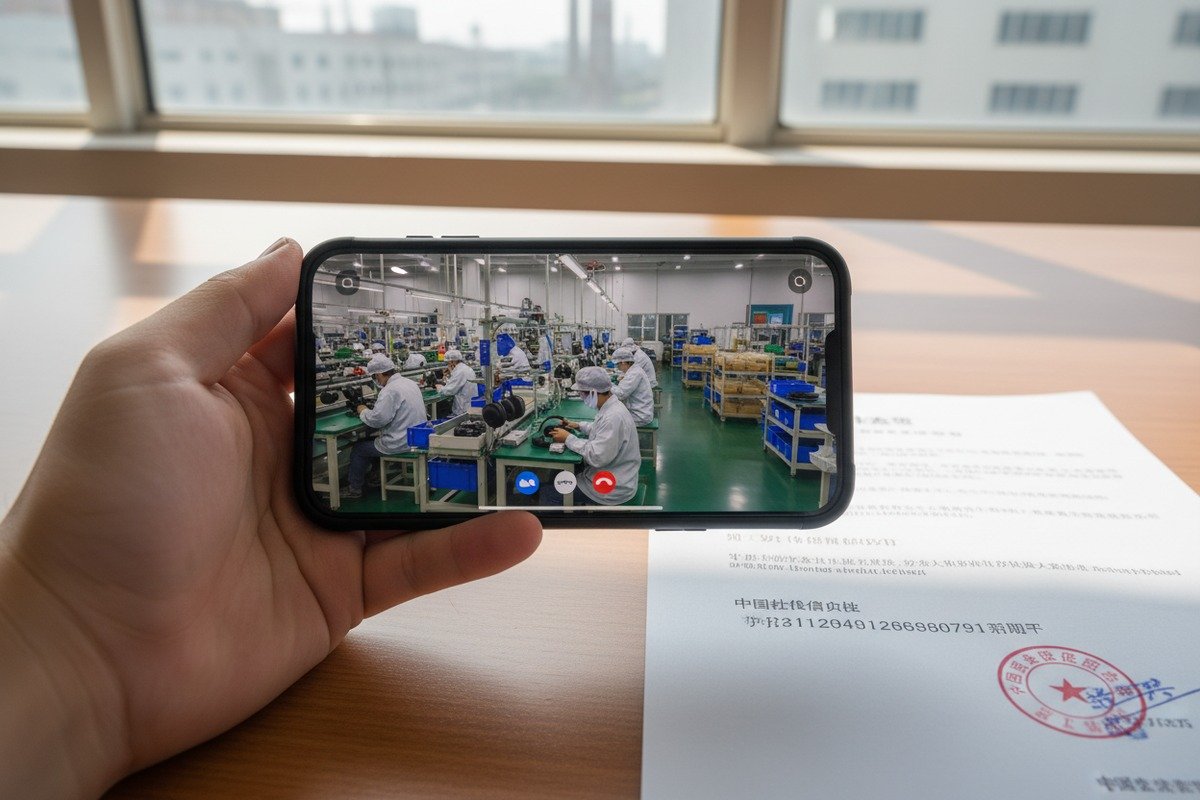
    Verifying headphone supplier facility ownership through business codes and live video tours (ID#2)

    Start With the Business License

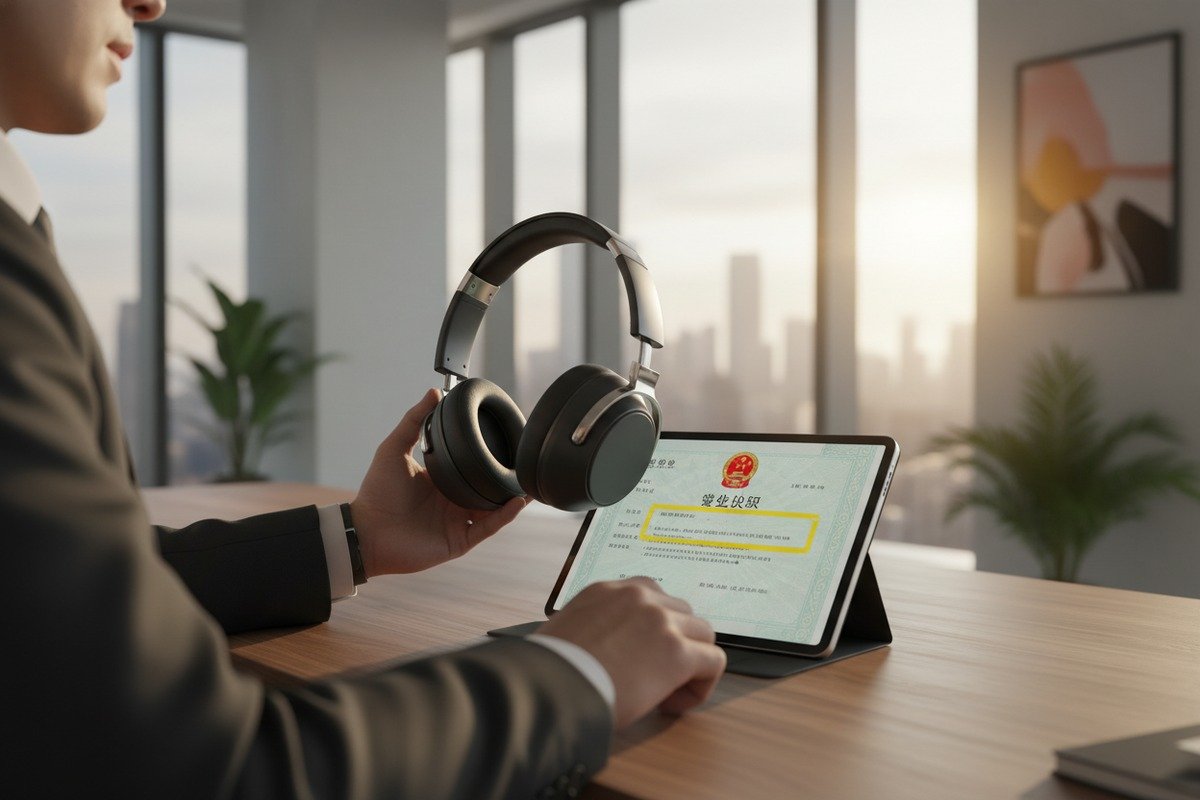
    Every legitimate Chinese company has a business license (营业执照). Ask your supplier for a scanned copy. Look at the "Business Scope" field. A real headphone manufacturer will list terms like 制造 (manufacturing) or 生产 (production). A trading company will show 贸易 (trade) or 进出口 (import/export). This single document tells you a lot.

    Use China's Domestic Platforms

    China has a domestic B2B platform called 1688.com. 1688.com platform 4 It is the Chinese-language version of Alibaba. Real factories list there to sell to domestic buyers. Search the company name. If you find a profile with factory photos, production details, and wholesale pricing, that is a strong signal. Trading companies rarely bother with 1688 listings because their customers are overseas.

    Cross-Check the Factory Address

    Copy the supplier's registered address and paste it into Baidu Maps 5. Look for an industrial park or factory zone. If the pin drops on a residential building or a commercial office tower, that is a red flag. Our facility, for instance, sits inside an industrial district in Dongguan — and you can see the building clearly on satellite view.

    Catalog Analysis Tells a Story

    A genuine headphone manufacturer typically lists 5 to 30 SKUs in closely related product lines. Think wired studio headphones, Bluetooth over-ear models, and a few TWS earbud variants — all using similar driver technology. A trading company, on the other hand, might list headphones alongside phone cases, USB cables, and LED ring lights.

    Indicator Manufacturer Signal Trading Company Signal
    Product range 5–30 focused headphone SKUs 100+ categories across electronics
    Business license scope 制造 (manufacturing) 贸易 (trading)
    1688.com presence Active with factory details Absent or minimal
    Factory address Industrial zone Office building or residential area
    Response to technical questions Detailed specs within 24–48 hours Quick but generic replies

    Request Property or Lease Documents

    If you want extra certainty, ask for the factory's property deed or lease agreement. A manufacturer who owns or rents a production facility can provide this. A trading company operating from a small office cannot. This step is uncommon, but it works. We have shared lease documentation with several US-based brand partners during due diligence, and it immediately builds trust.

    Third-Party Audits

    Companies like SGS, Bureau Veritas, and TÜV 6 offer factory audit services in China. They send an inspector to the supplier's address, verify equipment, check worker conditions, and produce a formal report. This costs $300 to $1,000 depending on scope, but for a large order — say 10,000 units of custom ANC headphones — it is a wise investment.

    Searching a supplier’s company name on 1688.com can reveal whether they operate an actual factory or function as a reseller. True
    1688.com is China’s domestic wholesale platform where real manufacturers list products for local buyers. Trading companies focused on export rarely maintain detailed 1688 profiles with factory photos and production capabilities.
    A supplier with a professional English website and quick responses is most likely a direct manufacturer. False
    Trading companies often invest heavily in polished English-language websites and fast customer service. In fact, manufacturers sometimes have slower response times because their teams prioritize production over sales communication.

    What red flags should I look for in a supplier's business license and export records?

    Our export documentation team handles compliance paperwork for shipments heading to the US, Europe, and Japan every week. Through this work, we have learned exactly what legitimate paperwork looks like — and what fake or misleading documents reveal.

    Key red flags include a business license listing only "trading" or "import/export" with no manufacturing scope, a registered capital below ¥500,000, a company founded less than two years ago with claims of decades of experience, mismatched company names on certifications, and export records showing wildly diverse product categories unrelated to headphones.
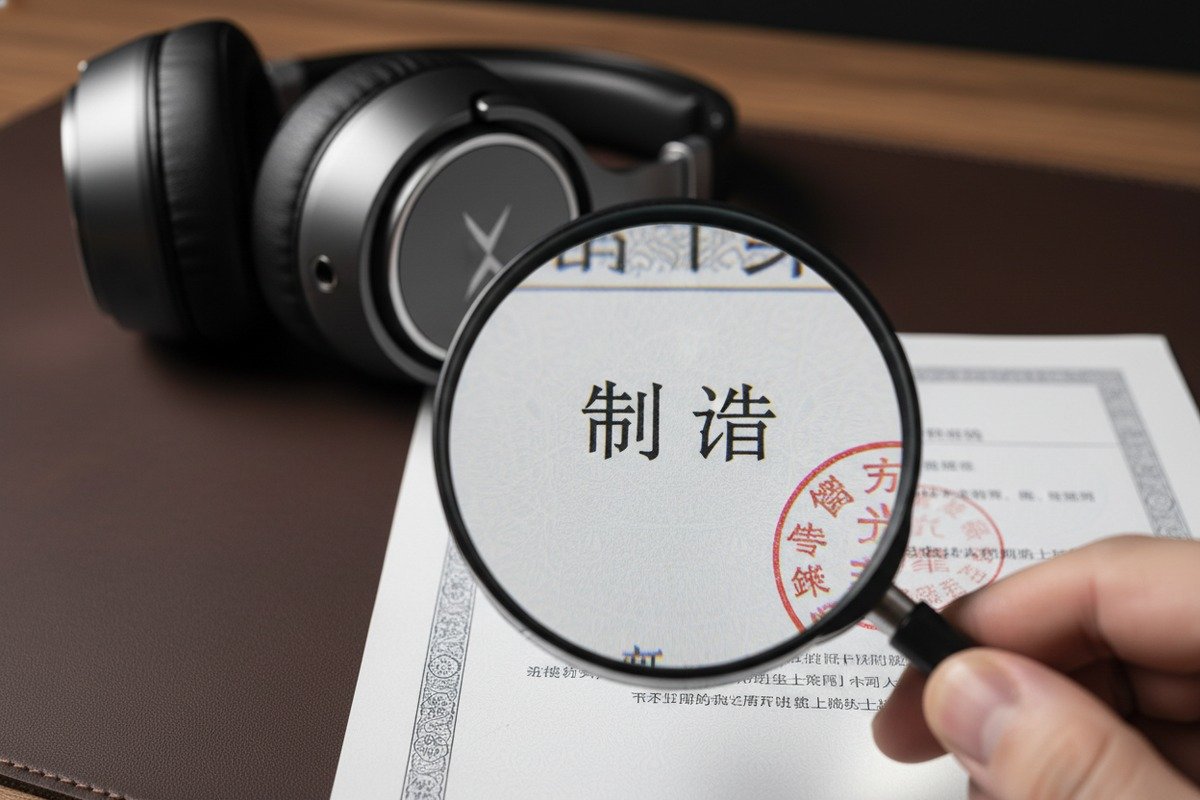
    Red flags in supplier business licenses and export records for headphone manufacturing (ID#3)

    Decoding the Business License

    The Chinese business license contains several critical fields. The "Business Scope" (经营范围) is most important. But also check:

    • Registered Capital (注册资本): A real factory producing headphones needs equipment, molds, and raw materials. Registered capital 7 under ¥500,000 suggests a small trading operation.
    • Establishment Date (成立日期): If a company was founded in 2024 but claims 15 years of headphone manufacturing experience, something does not add up.
    • Legal Representative (法定代表人): Search this person's name on Tianyancha or Qichacha (Chinese business databases) to see if they own multiple trading companies.

    Export Records Tell the Truth

    China's customs export data is available through commercial databases like ImportGenius or Panjiva. Search the supplier's name. A genuine headphone manufacturer will show consistent exports of headphones, earbuds, and audio accessories. A trading company will show scattered shipments — headphones one month, kitchen appliances the next.

    Red Flag What It Suggests Action to Take
    Business scope says only "贸易" (trade) Not a manufacturer Ask for factory partner details
    Registered capital under ¥500,000 Small-scale trader Request financial references
    Company age < 2 years, claims 10+ years Misrepresentation Verify on Tianyancha.com
    Certifications list a different company name Using another factory's certs Request original cert holder info
    Export data shows 20+ product categories Sourcing from multiple factories Narrow down their actual specialty
    No REACH/RoHS certification for electronics Compliance risk Insist on valid test reports

    Certification Cross-Referencing

    When a supplier sends you an ISO9001 certificate 8, a CE mark, or a RoHS test report, look at the company name printed on the document. Does it match the supplier you are talking to? If the certificate belongs to a different company, your supplier is likely a trader using their factory partner's credentials. This is extremely common. In our experience, about 30 to 50 percent of traders on Alibaba present certifications that actually belong to their upstream factories.

    The "Too Good to Be True" Test

    If a supplier offers headphones, speakers, smartwatches, phone chargers, and laptop bags — all at competitive prices with low MOQs — they are almost certainly a trading company. No single headphone factory produces that range. Our own product line focuses on Bluetooth ANC headsets and studio monitoring headphones. That specialization is exactly what a real manufacturer looks like.

    Sustainability and Compliance Certifications

    As of 2026, genuine manufacturers increasingly hold ISO14001 (environmental management) 9 and BSCI (social compliance) certifications. These require on-site audits that trading companies cannot pass because they do not control a production facility. If your supplier holds these, it is a strong indicator of real manufacturing capability. If they cannot produce them, ask why.

    Certifications like ISO9001 and BSCI require on-site factory audits, so verified holders are more likely to be actual manufacturers. True
    These certifications involve physical inspection of production facilities, worker conditions, and quality management systems. A trading company without its own factory cannot independently pass these audits.
    If a supplier provides a CE or RoHS certificate, it proves they manufactured the product themselves. False
    Trading companies routinely share CE and RoHS certificates that belong to their upstream factory partners. The certificate proves the product passed testing, not that the supplier presenting it was the entity that produced it.

    How do I confirm if a supplier has the in-house R&D team needed for my custom headset project?

    When we develop a new ANC headphone model for a brand partner, our R&D engineers spend weeks on acoustic tuning, mechanical stress testing, and Bluetooth antenna optimization. This process requires specialized equipment and trained personnel that a trading company simply does not have.

    To confirm in-house R&D capability, ask the supplier to name their R&D team members and their specializations, request photos or video of their acoustic testing lab and prototyping equipment, review patent filings under the company name, and test their technical depth by asking specific questions about driver impedance, codec support, or ANC algorithm implementation.
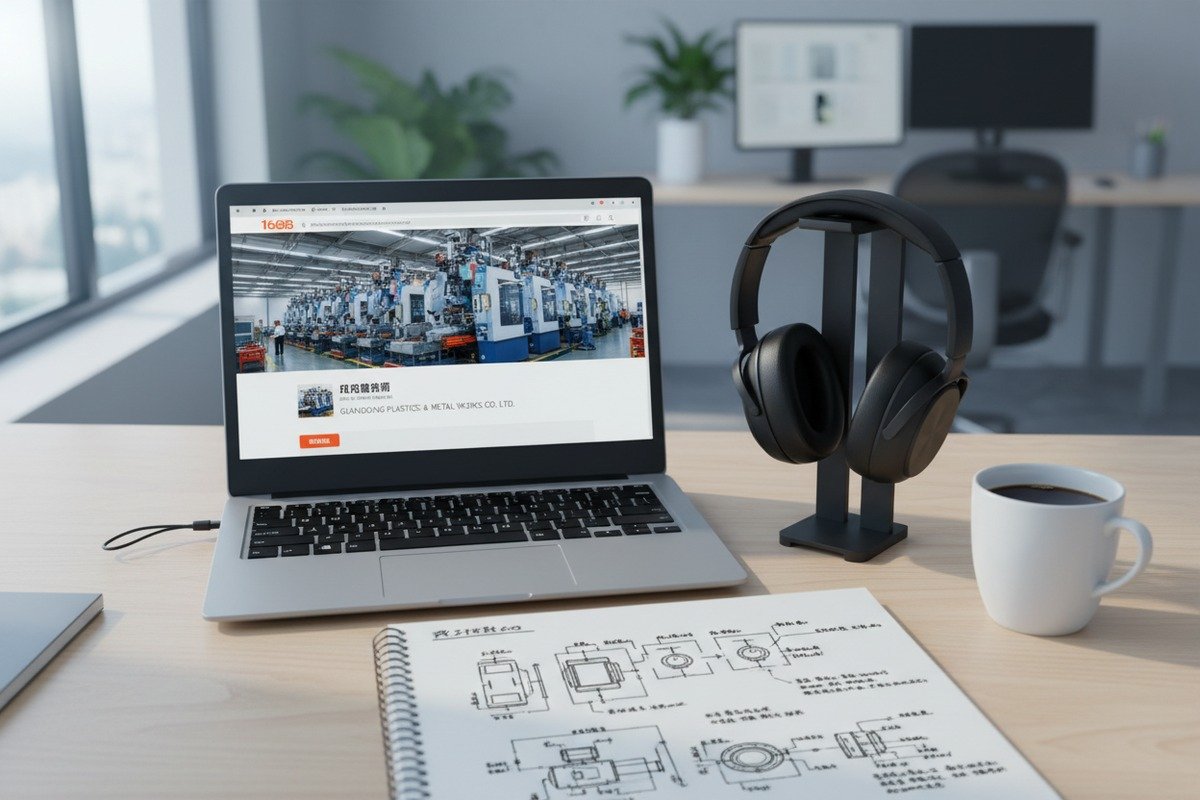
    Confirming in-house R&D capabilities and acoustic testing labs for custom headset projects (ID#4)

    Why R&D Matters for Custom Headphones

    If you need a custom headset — modified driver housing, specific frequency response curve, branded ANC profile — only a manufacturer with an in-house R&D team can deliver. A trading company will take your request, forward it to a factory, and relay answers back. This creates delays, miscommunication, and design errors that surface during mass production. We have seen projects fail because the middleman could not accurately translate technical requirements between the buyer and the actual factory.

    Questions That Expose the Truth

    Technical questions are your best filter. Here are examples tailored to headphones:

    • "What Bluetooth codec 10 does your latest ANC model support — AAC, aptX, or LDAC?"
    • "Can you modify the driver diaphragm material from PET to bio-cellulose for a warmer sound signature?"
    • "What is your ANC depth at 200 Hz, and how do you handle wind noise compensation?"
    • "Can you share your anechoic chamber test data for the current prototype?"

    A manufacturer's R&D team will answer these with specifics — frequencies, materials, test data. A trading company's sales rep will respond with marketing language or ask for time to "check with the factory."

    Patent and IP Check

    Search the supplier's company name on China's patent database (CNIPA) or Google Patents. Genuine manufacturers file utility model patents and design patents for their headphone products. Look for patents related to headband adjustment mechanisms, earcup hinge designs, or ANC circuit layouts. If the company has zero patents but claims to be an ODM powerhouse, be cautious.

    Equipment Checklist

    Ask for photos or video of specific R&D equipment. A real headphone R&D lab should have:

    Equipment Purpose Trader Likely to Have?
    Anechoic chamber Acoustic measurement and tuning No
    Audio Precision analyzer Frequency response, THD testing No
    3D printer / CNC prototype machine Rapid prototyping of earcup housings No
    Bluetooth protocol analyzer BT codec and connection testing No
    Climate test chamber Temperature and humidity durability No
    Acoustic simulation software (COMSOL) Driver and cavity modeling No

    If a supplier can show you these tools in their facility — especially during a live video call — you are dealing with a real manufacturer. Trading companies cannot fake this.

    The Prototyping Test

    Request a custom sample. Ask for a modification that requires engineering work — for example, a different earcup shape or a specific headband tension. A manufacturer will quote tooling costs, provide a timeline (typically 2 to 4 weeks for a soft prototype), and share design drawings. A trading company will either refuse, delay excessively, or deliver a generic sample with your logo printed on it.

    Our team regularly produces 3D-printed prototypes within 10 business days for evaluation. This speed comes from having mechanical engineers, acoustic engineers, and an ID design team under one roof. That is something a trading company cannot replicate.

    Development Cycle Expectations

    Understanding realistic timelines helps you spot fakers. A genuine manufacturer developing a custom ANC headphone from scratch needs 90 to 150 days from concept to production-ready samples. If a supplier promises a fully custom product in 30 days, they are either repackaging an existing product or underestimating the project — both bad signs.

    Asking detailed technical questions about Bluetooth codecs, ANC algorithms, or driver materials is an effective way to distinguish a manufacturer’s R&D team from a trading company’s sales team. True
    Manufacturers with in-house engineers can answer technical questions with precision and data. Trading company sales reps lack this depth and typically respond with marketing language or need days to relay questions to their actual factory source.
    A supplier that offers OEM branding services (logo printing, custom packaging) proves they have in-house R&D and manufacturing capability. False
    OEM branding like logo printing and custom boxes is a surface-level service that any trading company can arrange. True R&D capability means the ability to modify acoustic design, mechanical structure, and electronic components — not just cosmetic branding.

    Why should I request a live video audit of the assembly line before I place a bulk order?

    Our factory has hosted hundreds of video audits over the past few years. Buyers join via Zoom or WeChat, and our production manager walks them through every station — from SMT soldering on the Bluetooth board to final acoustic QC testing. The buyers who skip this step are the ones who run into problems later.

    You should request a live video audit because it is the most direct way to confirm a supplier's production capability, workforce size, quality control stations, and facility cleanliness in real time. Unlike photos or pre-recorded videos, a live tour prevents staged setups and reveals whether the factory actually produces the headphones you are ordering.
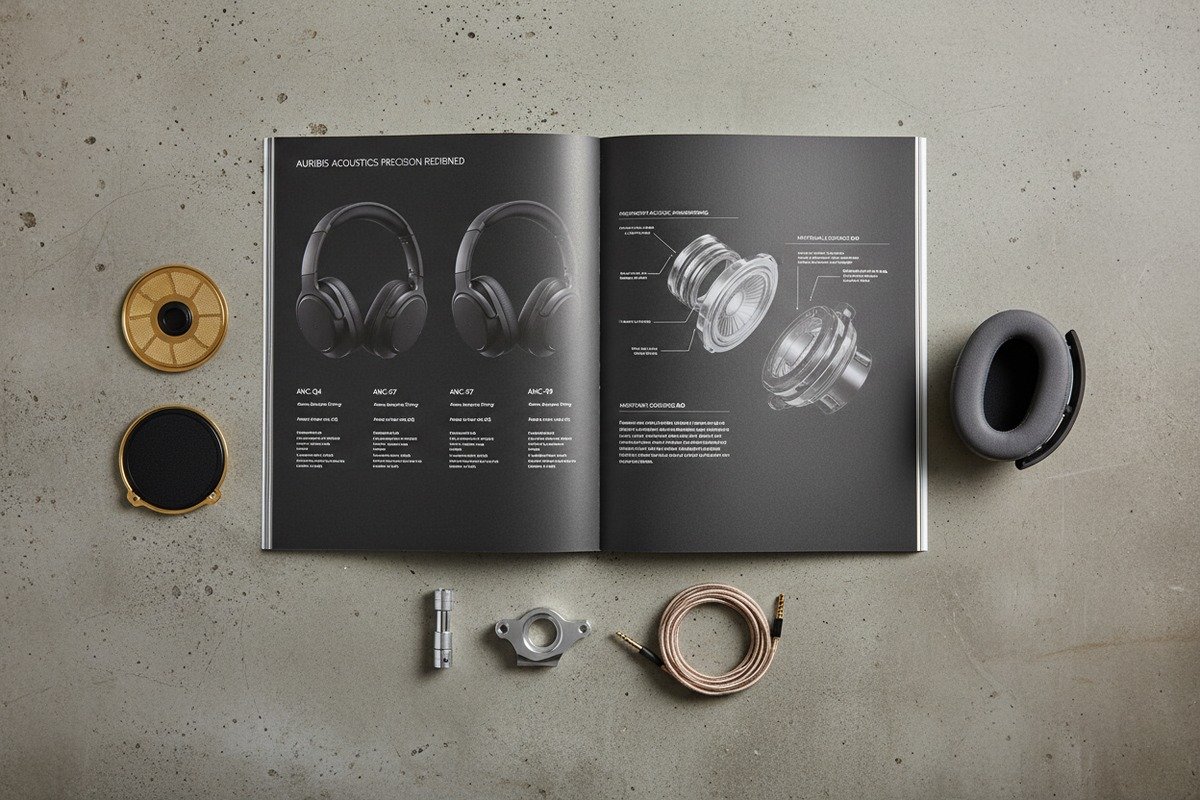
    Requesting live video audits of headphone assembly lines to verify production capability (ID#5)

    Why Photos and Pre-Recorded Videos Are Not Enough

    Trading companies often download factory images from their upstream supplier or use stock photos of generic production lines. Some even hire a factory for a single day to shoot a promotional video. A live, unscripted video call eliminates this. You can ask the guide to zoom in on specific machines, show the date on a newspaper, or walk to a particular section of the line. Fakers cannot handle improvised requests.

    What to Look for During the Video Tour

    During a live audit, pay attention to these details:

    • Consistency: Are the workers wearing uniforms? Are the production lines organized or chaotic?
    • Equipment labels: Real factories have machines with brand names (e.g., Yamaha SMT placement, Keyence inspection systems). Generic or unlabeled equipment is suspicious.
    • Work-in-progress inventory: You should see headphone components at various stages — bare drivers, half-assembled headbands, packaged units. An empty or overly tidy factory floor during working hours is a red flag.
    • QC stations: Look for dedicated quality checkpoints with testing equipment. Our line, for example, has an acoustic test station where every unit gets a frequency sweep before packing.
    • Raw materials: Ask to see the warehouse. A real factory stores driver units, cables, earcup foam, Bluetooth chipsets, and packaging materials.

    Questions to Ask During the Live Tour

    Prepare a list of pointed questions:

    1. "Can you show me where the driver units are assembled into the earcup housing?"
    2. "What is your daily output capacity for this model?"
    3. "Can you show me a rejected unit and explain why it failed QC?"
    4. "Where do you store your injection molds for custom earcup shells?"
    5. "Can you introduce me to your line supervisor?"

    A confident manufacturer will answer all of these on camera. A trading company showing a partner factory will hesitate, avoid certain areas, or claim that sections are "restricted."

    The Cost of Skipping This Step

    We have heard stories from buyers who placed $10,000 to $50,000 orders without any factory verification. One US-based brand ordered 5,000 custom-branded ANC headphones from an Alibaba "manufacturer." The delivered units had inconsistent ANC performance — some worked, some did not — because the trading company sourced from two different factories to fill the order. A 30-minute video call would have revealed that the supplier had no factory at all.

    Post-Pandemic Verification Norms

    Since 2020, video factory audits have become standard practice in international sourcing. Physical visits to China remain possible but are time-consuming and expensive. A live video audit provides 80 percent of the confidence at 5 percent of the cost. Most serious manufacturers — including our team — are ready to schedule one within 48 hours of a request. If a supplier resists or delays, that resistance itself is a data point.

    Combining Video Audits With Third-Party Inspection

    For maximum confidence, pair your video audit with a third-party inspection during production. Companies like QIMA or Asia Inspection can send an inspector to the factory during your production run. They check units against your approved sample, verify packaging, and report defects. This layered approach — live video before ordering, third-party inspection during production — is the gold standard for headphone sourcing from China.

    A live, unscripted video tour of a factory is significantly more reliable than pre-recorded promotional videos or static photos for verifying a supplier’s production capability. True
    Live video allows the buyer to make spontaneous requests — such as zooming in on equipment, showing specific production stages, or introducing staff — which cannot be faked or staged in real time the way edited videos and curated photos can.
    If a supplier agrees to a video call showing a factory, it confirms they own that factory. False
    Some trading companies arrange to conduct video calls from a partner factory’s premises. The video proves production exists at that location, but it does not prove the supplier on the call owns or controls the facility. Cross-referencing with business license addresses and lease documents is still necessary.

    Conclusion

    Telling a real headphone manufacturer from a trading company takes deliberate effort — but it protects your investment, your brand, and your customers. Use the verification methods in this guide, and you will source with confidence.

    Footnotes


    1. Details China’s unique business identification system for legal entities. ↩︎


    2. Explains the essential document for operating a business in China. ↩︎


    3. Explains the industrial process of injection molding. ↩︎


    4. Describes 1688.com as Alibaba’s domestic B2B e-commerce platform. ↩︎


    5. Provides information about China’s leading web mapping service. ↩︎


    6. Introduces leading global companies offering inspection and certification services. ↩︎


    7. Explains the legal requirement for capital investment in Chinese companies. ↩︎


    8. Details the international standard for quality management systems. ↩︎


    9. Explains the international standard for environmental management systems. ↩︎


    10. Describes various audio compression methods used in Bluetooth technology. ↩︎
  • What Certifications Should You Prioritize When Sourcing Headphone Suppliers?

    What Certifications Should You Prioritize When Sourcing Headphone Suppliers?

    Essential certifications for sourcing reliable headphone suppliers and ensuring product quality standards (ID#1)

    Every year, our quality team reviews dozens of failed shipments that never made it past customs — not because the headphones sounded bad, but because the paperwork was wrong RoHS test report 1. A missing FCC ID 2, an expired RoHS test report, or a supplier’s CE Declaration of Conformity 3 that no lab can verify. These are problems that cost importers thousands and destroy launch timelines.

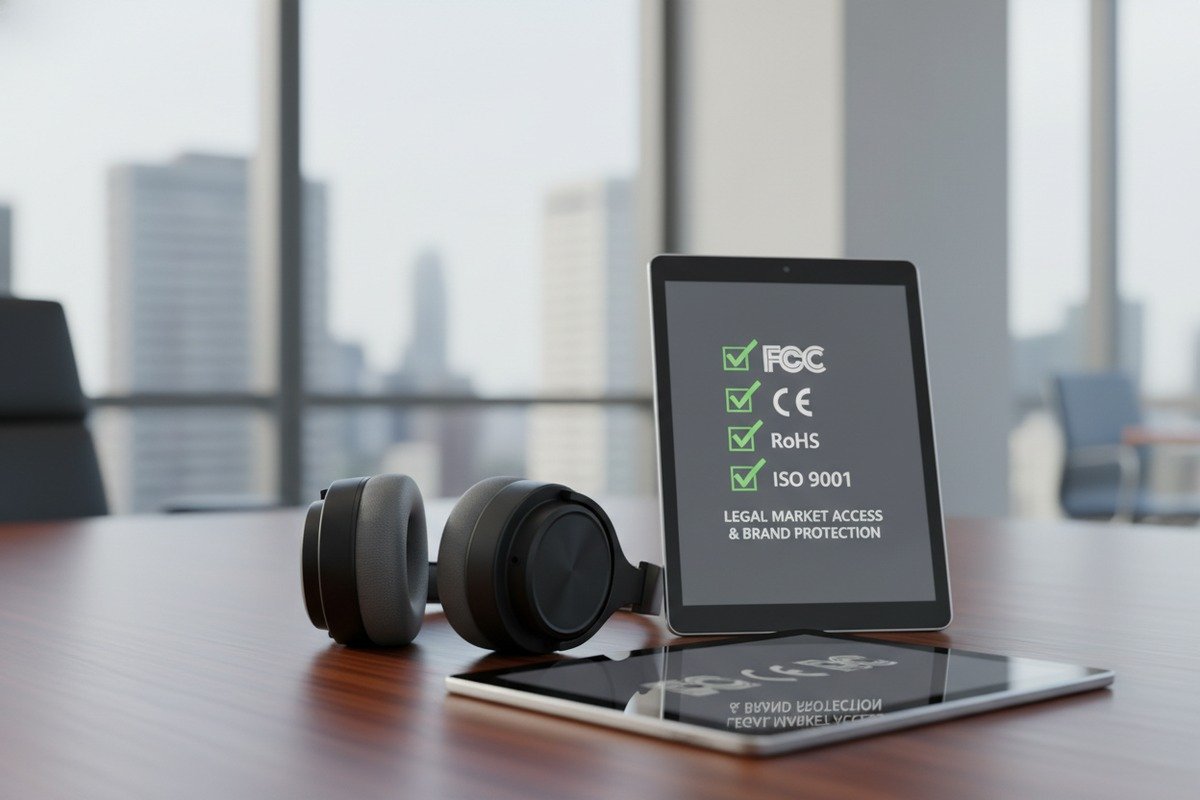
    When sourcing headphone suppliers, prioritize FCC certification for the US market, CE marking with RED compliance for the EU, RoHS for global material safety, Bluetooth BQB for wireless models, and ISO 9001 for consistent quality management. These five certifications form the foundation for legal market access, reduced returns, and long-term brand protection.

    The certification landscape for headphones — especially Bluetooth ANC models — has gotten more complex in 2025 BSCI and Sedex audits 4. Let’s break down exactly what you need, why it matters, and how to verify it before you place your next order.

    How do I verify if a supplier's ISO 9001 certification will actually reduce my product return rates?

    When we first implemented ISO 9001 5 across our Dongguan production lines, the immediate impact was not on paper — it showed up in our defect tracking logs within six months. Many buyers ask us for the certificate but never dig deeper into what it actually controls.

    To verify if a supplier's ISO 9001 certification genuinely reduces returns, request their internal audit reports, corrective action logs, and process control documentation. A real ISO 9001 system tracks defects at every stage — from incoming materials to final assembly — and forces measurable corrective actions that directly lower field failure rates.

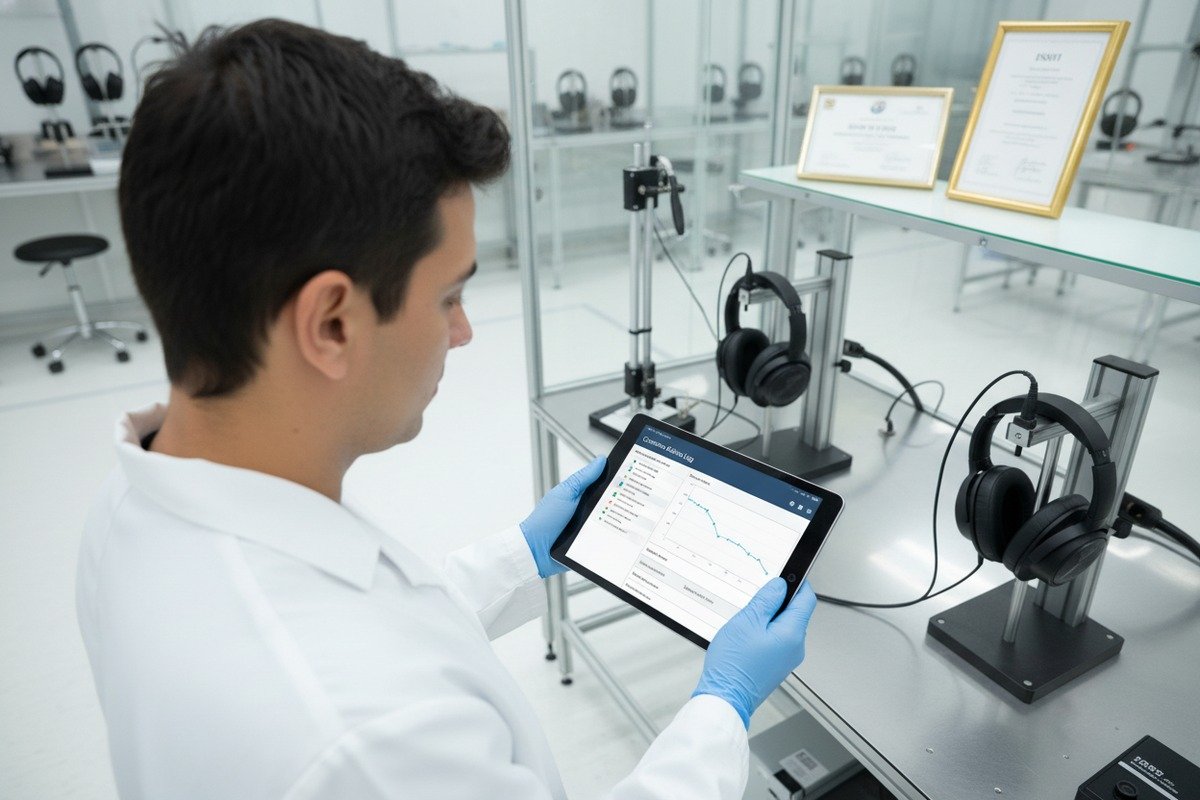
    Verifying ISO 9001 certification through audit reports to reduce headphone product return rates (ID#2)

    What ISO 9001 Actually Controls in Headphone Manufacturing

    ISO 9001 is not a product certification. It certifies a management system. This means the supplier has documented processes for design control 6, supplier evaluation, production monitoring, and customer complaint handling. For headphone manufacturing, this translates into specific checkpoints.

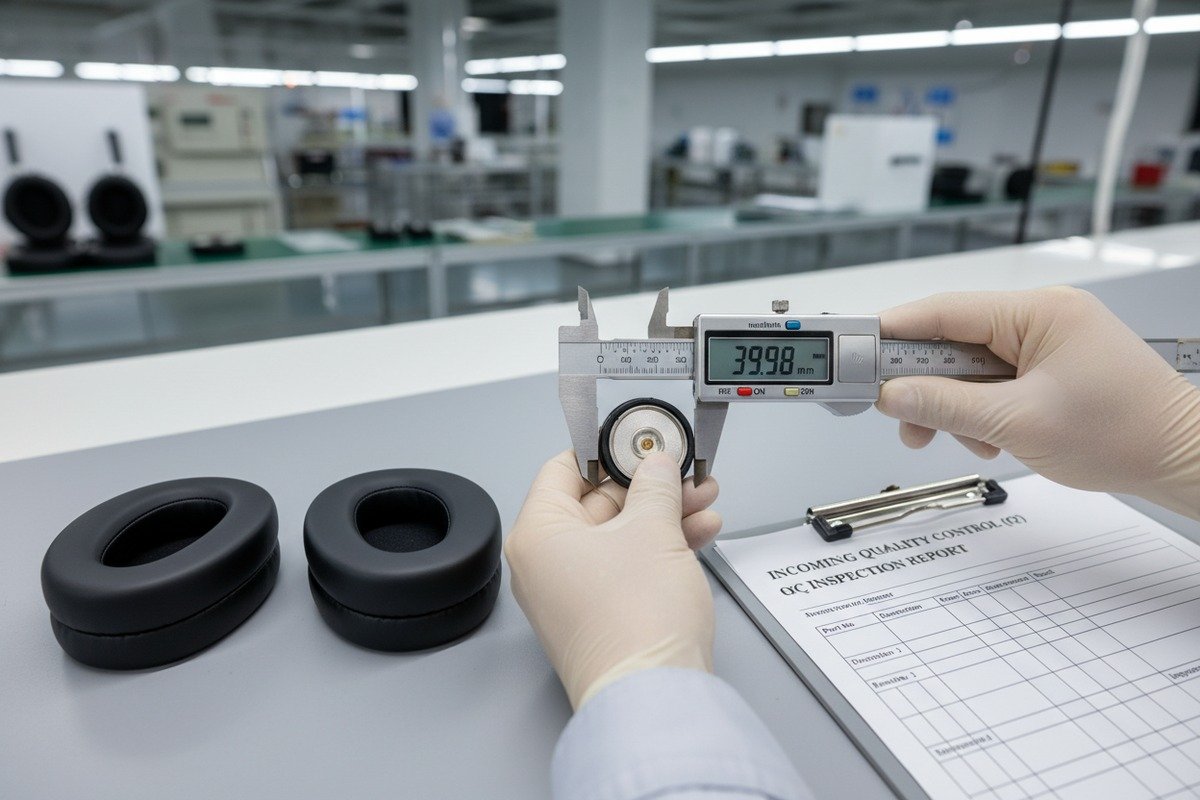
    At our facilities, ISO 9001 requires us to maintain incoming quality control 7 (IQC) records for every batch of drivers, cushion foam, and headband materials. If a batch of 40mm drivers fails frequency response testing, the system forces a supplier corrective action request (SCAR). Without ISO 9001, that same batch might ship into production unnoticed.

    How to Verify Beyond the Certificate

    A certificate hanging on a wall means nothing if the system behind it is hollow. Here is what to ask for:

    Verification Step What to Request Red Flag If Missing
    Certificate validity Check expiration date and issuing body (e.g., SGS, TÜV, Bureau Veritas) Expired or issued by unknown registrar
    Scope of certification Confirm it covers headphone/audio product manufacturing specifically Scope only covers "general electronics" or unrelated products
    Internal audit records Request last 2 audit summaries with findings Supplier refuses or has no records
    Corrective action log Ask for CAPA (Corrective and Preventive Action) examples No documented corrective actions in 12+ months
    Management review minutes Evidence of regular leadership review of quality data No management involvement in quality system

    The Real Impact on Return Rates

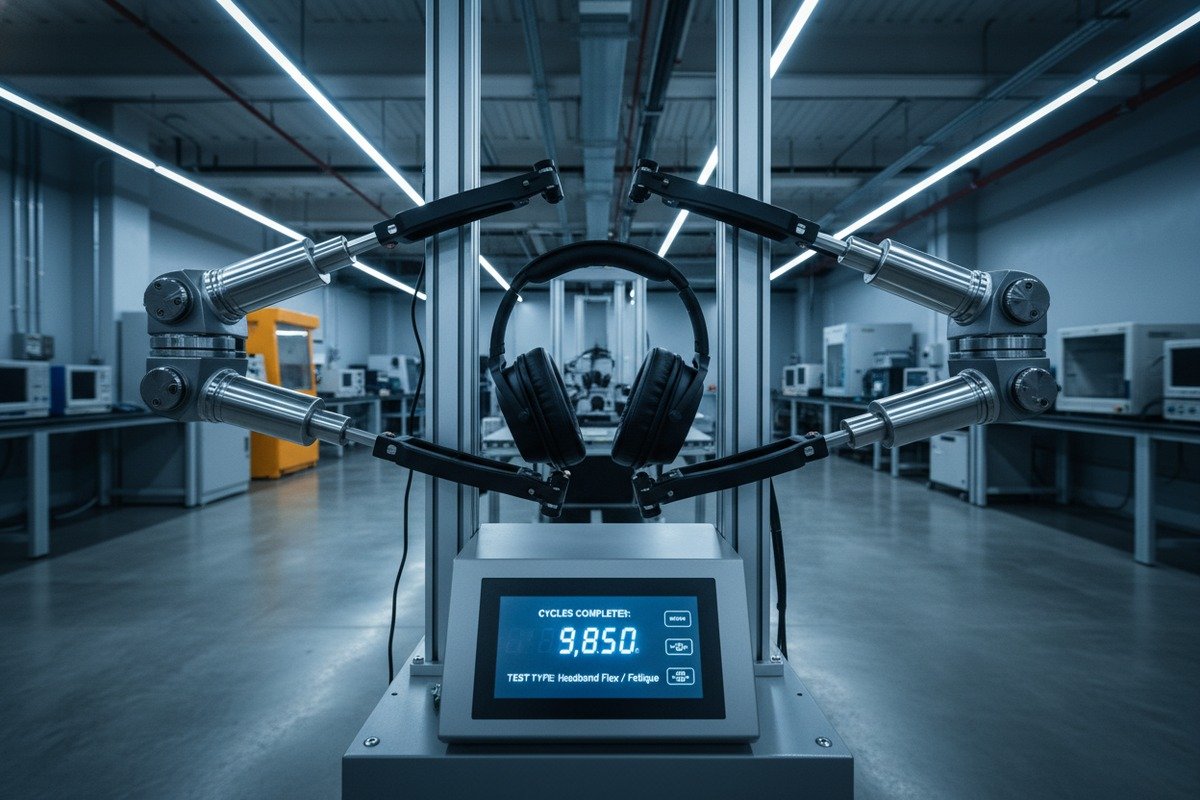
    Our experience exporting to US and European distributors shows a clear pattern. Before we tightened our ISO 9001 processes around headband durability testing, our return rate on one product line sat around 4.2%. After implementing a specific life-cycle fatigue test — 10,000 open-close cycles — as part of our ISO-required design validation, returns on that model dropped to 1.1% within two quarters.

    However, ISO 9001 alone does not guarantee low returns. A supplier can hold the certificate and still ship poor products if the system is poorly maintained. This is why you must audit the living system, not just the paper. Ask for their quality KPIs: first-pass yield, customer complaint rate, and out-of-box failure rate. If they cannot provide these numbers, the ISO 9001 certificate is decorative.

    ISO 9001 vs. Other Quality Certifications

    Some buyers also encounter ISO 14001 8 (environmental management), QC080000 (hazardous substance process management), and SA8000 (social accountability). These serve different purposes. ISO 9001 is the only one directly tied to product quality consistency. QC080000 complements RoHS compliance by ensuring hazardous substance controls are embedded in the manufacturing process — something we maintain alongside ISO 9001 at our production sites.

    ISO 9001 certification requires documented corrective action processes that can measurably reduce product defect rates over time. True
    The standard mandates CAPA (Corrective and Preventive Action) procedures. Suppliers must track nonconformities, investigate root causes, and implement fixes — creating a feedback loop that directly targets the sources of product returns.
    Any supplier with an ISO 9001 certificate automatically produces high-quality headphones with low return rates. False
    ISO 9001 certifies the management system, not the product itself. A supplier can hold a valid certificate while poorly implementing the system, resulting in no real quality improvement. Verification of internal audit records and quality KPIs is essential.

    Which safety and environmental certifications like CE, FCC, and RoHS are essential for my target markets?

    Our engineering team spends significant time each year updating test configurations for FCC and CE — because the rules keep changing, and getting it wrong means your shipment sits in a warehouse instead of reaching store shelves.

    For US sales, FCC certification is mandatory for all wireless headphones under Part 15C. For EU markets, CE marking covering the RED directive, LVD, and RoHS is required. RoHS compliance is effectively global. Missing any of these certifications can result in customs seizure, fines up to €100K in the EU, and forced product recalls.

    Mandatory CE FCC and RoHS certifications for international headphone market compliance and safety standards (ID#3)

    FCC Certification for the United States

    Every Bluetooth headphone sold in the US must carry an FCC ID. This falls under Part 15C for intentional radiators. The process requires testing at an NVLAP or ISO 17025 accredited lab, and a Telecommunication Certification Body (TCB) must sign off. Self-certification is not allowed for Bluetooth devices.

    The typical cost runs $5,000–$10,000 per model, with a 3–5 week turnaround. Wired headphones fall under Part 15B (unintentional radiators) and can use a Supplier's Declaration of Conformity (SDoC), which is simpler and cheaper.

    Buyers should always verify the supplier's FCC ID in the FCC database (apps.fcc.gov/oetcf/eas/reports/GenericSearch.cfm). If the ID does not appear or belongs to a different product, walk away.

    CE Marking for the European Union

    CE marking for wireless headphones now falls under the Radio Equipment Directive 9 (RED) 2014/53/EU, which covers RF performance, electromagnetic compatibility (EMC), and electrical safety. Since 2025, EU customs authorities have become stricter — they increasingly demand full lab reports from recognized bodies like SGS, TÜV, or Intertek, not just a Declaration of Conformity (DoC).

    The CE bundle typically costs $3,000–$8,000 and covers RED, Low Voltage Directive (LVD), and RoHS testing.

    RoHS and REACH Compliance

    RoHS restricts hazardous substances 10 — lead, mercury, cadmium, hexavalent chromium, PBBs, and PBDEs — in electronic products. The limits are strict: less than 0.1% for most substances, 0.01% for cadmium. This applies globally, not just in the EU.

    Here is the critical problem: roughly 90% of Chinese suppliers test raw materials for RoHS, but fewer than 50% conduct full-product testing. Material-level RoHS testing does not catch contamination introduced during soldering, plating, or assembly. We run full-product XRF screening on finished units because material certificates alone are insufficient.

    REACH adds chemical restrictions beyond RoHS, covering substances like phthalates in cable insulation and certain flame retardants in ear cushion foam.

    Regional Certification Requirements at a Glance

    Certification Region Scope Mandatory for Wireless? Typical Cost
    FCC (Part 15C) United States RF emissions, EMC Yes — requires FCC ID $5K–$10K
    CE (RED + LVD) European Union RF, EMC, safety Yes — requires DoC + lab reports $3K–$8K
    UKCA United Kingdom Same scope as CE Yes — post-Brexit requirement $2K–$5K
    RoHS Global (EU-origin) Hazardous substances Yes $500–$2K
    REACH European Union Chemical restrictions Strongly recommended $1K–$3K
    PSE/TELEC Japan Safety/RF Yes for Japan market $3K–$7K
    KC South Korea EMC, safety, RF Yes for Korean market $3K–$6K

    What Happens When You Skip Certifications

    Non-compliant wireless headphone shipments face a 15–25% seizure rate at EU and US ports. In 2024, a mid-size US importer had 8,000 units of Bluetooth earbuds held at Los Angeles customs because the FCC ID on the product did not match the FCC database entry. The supplier had used an FCC ID from a different, older model. The importer lost the entire holiday sales window and absorbed $120,000 in losses.

    The lesson: verify every certification yourself. Do not rely on the supplier's word. Check databases, request original lab reports with report numbers, and confirm the testing lab's accreditation.

    FCC Part 15C certification for Bluetooth headphones requires testing by an accredited lab and sign-off by a Telecommunication Certification Body — self-certification is not permitted. True
    Bluetooth headphones are classified as intentional radiators under FCC rules. Unlike unintentional radiators (wired headphones), they cannot use the simpler SDoC process and must go through formal TCB certification.
    Material-level RoHS testing from component suppliers is sufficient to prove full-product RoHS compliance. False
    Contamination can occur during manufacturing processes like soldering, plating, and assembly. Only full-product testing on finished units can confirm that the final headphone meets RoHS thresholds for all restricted substances.

    Why should I look for BSCI or Sedex audits when evaluating a headphone manufacturer's social responsibility?

    When we went through our first Sedex SMETA audit at our Dongguan facility, it forced us to re-examine everything from overtime policies to dormitory fire safety — areas that directly affect workforce stability and, ultimately, production quality.

    BSCI and Sedex audits verify that a headphone manufacturer meets international labor, health, safety, and environmental standards. For buyers selling to major retailers or EU distributors, these audits are often mandatory procurement requirements. They reduce supply chain risk, protect your brand from negative press, and ensure ethical sourcing throughout your product's origin story.

    Evaluating headphone manufacturers using BSCI and Sedex audits for ethical sourcing and social responsibility (ID#4)

    BSCI vs. Sedex: What Each Covers

    Both BSCI (Business Social Compliance Initiative) and Sedex (Supplier Ethical Data Exchange) evaluate factory social conditions, but they work differently.

    BSCI is an audit program run by the Foreign Trade Association (FTA), primarily used by European retailers. It grades factories on a scale from A (excellent) to E (unacceptable) across 13 performance areas including fair wages, working hours, occupational health, and environmental protection.

    Sedex is a membership platform where suppliers share audit data (typically via SMETA — Sedex Members Ethical Trade Audit) with multiple buyers. It covers four pillars: labor standards, health and safety, environment, and business ethics.

    Aspect BSCI Sedex (SMETA)
    Governance FTA (European) Sedex (UK-based)
    Audit type BSCI audit with grading (A–E) SMETA 2-pillar or 4-pillar audit
    Data sharing BSCI platform Sedex platform
    Common in EU retail supply chains Global, especially UK retailers
    Cost to supplier $2K–$5K per audit $2K–$6K per audit
    Validity 2 years (A/B rating); 1 year (C/D) Typically 1–3 years
    Relation to SA8000 Aligned but separate Complementary

    Why Retailers Demand These Audits

    Major retailers like Walmart, Target, and Carrefour require social compliance audits from their suppliers. If you are a headphone brand supplying these channels, your manufacturer needs to pass. No audit report, no purchase order.

    But beyond retailer requirements, there is a practical quality argument. Factories with poor labor conditions experience higher worker turnover. High turnover means less experienced operators on the production line. Less experienced operators mean more assembly defects — misaligned drivers, poorly seated ear cushions, inconsistent soldering. We have seen this pattern repeatedly across the industry.

    SA8000: The Deeper Standard

    SA8000, based on International Labour Organization (ILO) conventions, goes further than BSCI or Sedex. It is a certifiable standard — meaning an accredited body issues a certificate, not just an audit report. It covers child labor prevention, forced labor, health and safety, freedom of association, discrimination, disciplinary practices, working hours, and compensation.

    Our group maintains SA8000 certification across facilities because several of our long-term European partners require it as a condition of their corporate social responsibility (CSR) programs. For buyers targeting the European market or working with enterprise customers, SA8000 adds a layer of credibility that BSCI or Sedex alone may not provide.

    The Brand Protection Angle

    In 2025, consumer awareness of ethical manufacturing is higher than ever. A single investigative report about poor factory conditions can damage a headphone brand overnight. Social compliance audits are not just about checking a box — they are insurance against reputational risk. When your marketing says "responsibly made," you need audit documentation to back it up.

    Major US and EU retailers commonly require BSCI or Sedex audit reports as a prerequisite for supplier onboarding in their headphone and electronics categories. True
    Retailers like Walmart, Target, and Carrefour have established social compliance programs that mandate third-party audits. Without a valid BSCI or Sedex/SMETA report, suppliers are typically excluded from consideration.
    Social compliance audits like BSCI and Sedex only matter for apparel and textile suppliers, not for electronics manufacturers. False
    Social compliance requirements apply across all product categories in major retail supply chains. Headphone and electronics manufacturers face the same labor, safety, and environmental audit requirements as apparel suppliers when selling to major retailers.

    How does my supplier's BQB certification protect my brand from legal issues in the Bluetooth market?

    Our R&D team learned the importance of BQB certification the hard way when a European distributor rejected a pre-production sample — not for sound quality, but because the Bluetooth stack had not been properly qualified through the Bluetooth SIG process.

    BQB (Bluetooth Qualification Body) certification, managed by the Bluetooth Special Interest Group (SIG), is legally required for any product using Bluetooth technology. Without it, your brand cannot legally use the Bluetooth® word mark or logo, and the SIG can issue cease-and-desist orders, impose fines, and force product recalls — exposing your business to significant legal and financial liability.

    BQB certification protecting brands from legal issues when using Bluetooth technology and logos (ID#5)

    What BQB Certification Actually Means

    BQB certification verifies that a Bluetooth product meets the technical specifications defined by the Bluetooth SIG. This includes protocol conformance, interoperability with other Bluetooth devices, and proper use of the Bluetooth trademark.

    There are different listing types depending on your product's design:

    • End Product Listing: Required if you are building a complete Bluetooth headphone from scratch.
    • Subsystem Listing: Applies if you use a pre-qualified Bluetooth module but add custom software or hardware.
    • Component Listing: For the Bluetooth module or chipset itself, typically done by the chipset vendor (e.g., Qualcomm, Airoha, BES).

    Many OEM headphone manufacturers — including our team — use pre-qualified Bluetooth modules. This significantly reduces the cost and time for end-product BQB listing. But it does not eliminate the requirement. You still need to complete a Declaration ID (D-ID) listing with the Bluetooth SIG.

    The Legal Risk of Skipping BQB

    The Bluetooth SIG actively enforces its trademark and technology licensing. If your product uses Bluetooth without proper qualification:

    1. The SIG can issue a cease-and-desist, forcing you to stop sales.
    2. Retailers and distributors can reject or de-list your product.
    3. Competitors can report your non-compliance to the SIG.
    4. You cannot legally print the Bluetooth® logo on packaging or marketing materials.

    In practice, this means your headphones could be pulled from Amazon, Best Buy, or any major retail platform. For brands investing in marketing and channel relationships, this is a catastrophic risk.

    Cost and Timeline

    BQB listing costs vary based on the qualification path:

    BQB Listing Type Typical Cost Timeline When Required
    End Product (new design) $8,000–$15,000 4–8 weeks Custom Bluetooth implementation
    Subsystem (pre-qualified module, custom integration) $2,000–$5,000 2–4 weeks Modified firmware or antenna design
    End Product (using fully pre-qualified module) $500–$2,000 1–2 weeks Standard module, no modifications

    When we develop new ANC headphone models for our OEM clients, we typically use pre-qualified Bluetooth modules from major chipset vendors. This allows us to complete the BQB end-product listing for under $2,000 and within two weeks. For buyers working with suppliers who design custom Bluetooth implementations, costs will be significantly higher.

    How to Verify Your Supplier's BQB Status

    Go to the Bluetooth SIG's Launch Studio (launchstudio.bluetooth.com) and search for the supplier's company name or the product's Declaration ID. Every legitimately qualified product appears in this database. If the supplier cannot provide a valid D-ID or if the search returns no results, the product is not qualified.

    Also check whether the Bluetooth SIG membership is current. SIG membership must be active for the listing to remain valid. Lapsed memberships can invalidate existing product qualifications.

    BQB and FCC: They Are Not the Same

    A common mistake among first-time importers is assuming that FCC certification covers Bluetooth compliance. It does not. FCC tests RF emissions and electromagnetic compatibility. BQB tests Bluetooth protocol conformance and trademark usage rights. You need both. Neither replaces the other.

    Bluetooth BQB qualification is legally required for any product that uses Bluetooth technology, regardless of whether the product uses a pre-qualified module. True
    Even when using a pre-qualified Bluetooth module, the end product must still be listed with the Bluetooth SIG through a Declaration ID. The SIG’s licensing agreement requires qualification at the end-product level to use the Bluetooth trademark and technology legally.
    FCC certification for a Bluetooth headphone automatically covers Bluetooth SIG (BQB) qualification requirements. False
    FCC and BQB are completely separate processes governed by different organizations. FCC addresses radio frequency emissions compliance for the US market, while BQB addresses Bluetooth protocol conformance and trademark licensing. Both are independently required.

    Conclusion

    Certifications are not optional paperwork — they are the foundation of legal market access, quality assurance, and brand protection. Prioritize FCC, CE, RoHS, BQB, and ISO 9001. Verify everything independently. Your supply chain's integrity depends on it.

    Footnotes


    1. Details the documentation needed to demonstrate compliance with hazardous substance restrictions. ↩︎


    2. Explains the unique identifier assigned by the FCC for electronic devices. ↩︎


    3. Defines the manufacturer’s self-declaration of product compliance with EU directives. ↩︎


    4. Explains social compliance audits for ethical sourcing and supply chain responsibility. ↩︎


    5. Explains the international standard for quality management systems. ↩︎


    6. Describes the systematic process to ensure product design meets user needs and requirements. ↩︎


    7. Explains the inspection process for materials and components before production. ↩︎


    8. Explains the international standard for environmental management systems. ↩︎


    9. Describes the EU directive regulating radio equipment for market placement. ↩︎


    10. Explains the restricted materials in electronics due to environmental and health risks. ↩︎

  • Hello world!

    Welcome to WordPress. This is your first post. Edit or delete it, then start writing!

Get A Quick Quote

We will contact you within 24 hrs, pls pay attention to the email with the suffix “@gmail.com”. Your privacy is totally safe, no disturbing, promotion and subscription at all!